Rugged Payload Computers for Commercial Drone Applications
Background
Commercial drone technology has increased significantly in recent years. Many of the uses for commercial drones rely on image capture and processing using standard camera technology from companies like GoPro for professional photography, video and filmmaking.
Increasingly though, commercial drones are also being used in conjunction with more advanced imaging camera systems using technologies such as Hyperspectral imaging, short-wave infrared (SWIR) and LiDAR (light detection and ranging). For environmental and damage surveys, SWIR has the distinct advantage of being able to “see through” fog, rain or haze particles and other challenging atmospheric conditions to provide high-contrast views of objects of interest.
The picture below demonstrates a naked-eye view of the San Francisco Bay bridge side-by-side with the matching SWIR image.
Whereas SWIR deals with the infrared range of the electromagnetic (EM) spectrum, hyperspectral imaging is capable of capturing many more bands of the EM spectrum. Hyperspectral image files are often referred to as data cubes and are comprised of spatial data in the x,y dimension with EM wavelength data in the 3rd dimension (Figure 2). Depending on image resolution and other factors a data cube can be in the 100’s of megabytes in size. Originally developed for oil and mining exploration, uses now include agriculture monitoring (disease, plant species detection and maturity) as well as physics, astronomy, historical research, leak detection and security and surveillance.
Unlike SWIR and hyperspectral imaging, LiDAR uses laser technology and inertial measurement units (IMU) to generate high-resolution maps for geology, seismology, forestry, laser guidance and other uses. Traditionally done with high-altitude military avionics or commercial airplanes, LiDAR technology has now matured and “shrunk” to the point that drones are now being deployed in many cases.
Design Challenges
All of these commercial imaging technologies put a huge burden on the payload computer with respect to datalink speed, storage, and processing power. Depending on the use scenario, it can also require operation in rugged stress or temperature environments.
Common interface datalinks for these applications include Cameralink (2 Gb/s base rate), CoaXPress (up to 6.25 Gb/s), USB3.0 (5 Gb/s) or Ethernet (1Gb/s and 10Gb/s).
Commercial drones also have very real limits with respect to size and weight capacity. There is a direct correlation between cost, weight carrying capacity and battery life as can be seen from the table below for some commonly available commercial drones:
| Drone Model | Cost | Max Flight Time w/ No Load (min) | Operating Range (m) | Payload Capacity (Kg) |
| AEE F100 | $58,000 | 70 | 10,000 | 2.5 |
| Yunecc HX3 | $3,000 | 45 | 2000 | 2 |
| Allied Drones HL48 “Chaos” | $20,000 | 45 | 20000 | 6.8 |
| StediDrone Vader X4 | $19,995 | 50 | 1500 | 4.3 |
| DJI Matrice 600 | $4,600 | 16 | 5000 | 6 |
Source: drones.specout.com³
- Mechanically rugged
- Extended operating temperatures
- Small size and weight
- High-performance processing
- High-performance camera interfaces
- High-capacity storage
Payload Computer Design
ADL recently collaborated with a client developing next-generation SWIR sensor technology requiring a drone test platform for demonstration purposes. The client’s experimental SWIR camera interfaces to the payload computer via USB3.0 with plans to interface via Cameralink at a later time.
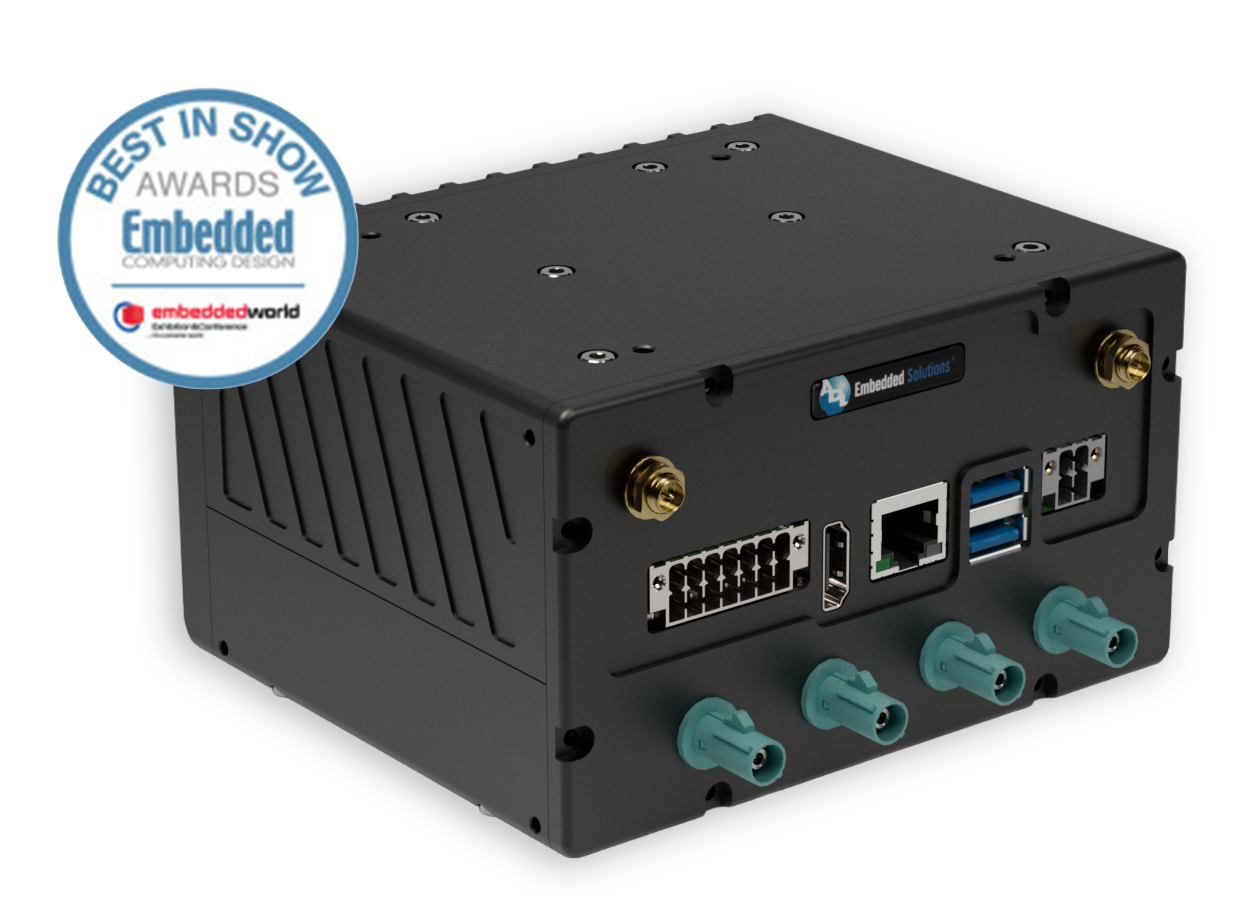
Figure 3: ADL, Intel Core-based Payload Computer
Using Solidworks™ design software, DJI mechanical drawing for the Ronin MX Gimbal assembly and customer input, ADL Embedded Solutions, Inc. successfully designed a custom payload computer with features including:
- ADLQM87PC Intel Core i7 CPU (PCIe/104)
- Rugged milled-aluminum design
- Thermal design for wide operating temperature range
- Low size and weight with mounting holes for both DJI Ronin MX gimbal and SWIR camera system
- 802.11 Wifi connectivity
- 2x High-speed Cameralink ports for future use
- 2x USB3.0 ports for current experimental SWIR camera